It’s 2018 and I’m frantically dialing for dollars in my first sales position with a well known, innovative breastmilk storage bag company. I’m calling hospitals, DMEs, WIC clinics, lactation professionals, boutiques, and everything in between. You never know what you’ll get on the other line, but what I wasn’t prepared for was an absolute schooling on something called “The Code” and how much harm I was causing by putting this product out into the market. I hung up the phone confused, stunned, and immediately took to Google and my lactation professional coworkers for understanding. To be honest, even with those resources, the answer could not have been muddier.
Now, with the long overdue coverage of more and more services like virtual and in-person lactation support as well as breast pumps and other lactation supplies, the time for serious clarity is now.
The intention behind “The Code” is to preserve the exceptional relationship between the mother/baby dyad. To remind that breast is best and that there is no substitute for the unique and highly personalized milk that flows from a breast at the moment of child’s latch or snuggle to chest. That explosion of internal phenomena that helps to create a substance that sustains life through illness and growth cannot be replicated by formula, no matter the claims made in their marketing, which leads right back to the intent of the code.
When it comes to breast pump manufacturers, it’s a subject that has become even more painful, confusing, and controversial. It seems in the lactation community that there’s a portion that want to paint breast pumps as a sore, an unnecessary device that is forced on parents to disrupt the dyad and has no benefit to the modern parent. Let’s tackle this topic which is important to me, for many reasons, not just as someone who has worked for several manufacturers, but also as someone who understands the struggle of juggling many things while trying to provide the best for your baby. Sometimes, that looks like pumping.
It pains me personally, whenever I see someone say “Pumping isn’t breastfeeding.” That’s a damaging statement to a parent who is in a fragile postpartum period, trying their very best, and may not be able to bring baby to breast for various reasons. Perhaps she has had sexual trauma and is not comfortable, perhaps they have tried numerous methods either with or without the support of a professional and just feel more comfortable utilizing a breast pump. Who am I (or who are we) as a lactation professional or an outsider to shame this parent for choosing the method that works for them? While again, we as professionals are taught that bringing baby to breast creates a unique design of milk which is hindered by the use of a breast pump, in my opinion it’s damaging to continue the trope that pumping isn’t breastfeeding. Providing human milk is always the desired format and while I can hear the screams of “hand express!” & “cup feed!,” those are also options that should be taught, but aren’t practical for many busy, working moms and should not be expected or demanded. 74% of mothers with children under the age of 18 are in the workforce compared to 1975 where that number was less than half. (https://usafacts.org/articles/how-many-mothers-are-in-the-labor-force/) We can continue to fight pump companies or we can partner with them and find ways to work together to improve upon the experience for working moms everywhere.
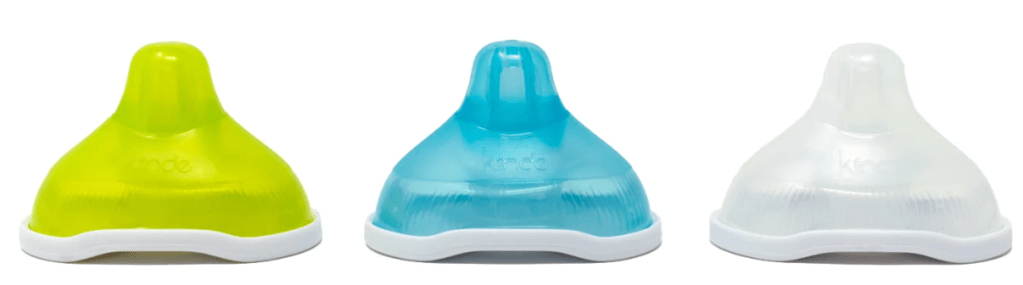
In addition, when a breast pump manufacturer includes a nipple in their packaging, they are painted as a WHO Code violator, further adding to the shame from the community. Let’s be clear, the intention of “The Code” is related to the marketing of breastmilk substitutes and artificial nipples, not the use of them, mention of them, listing of them as an included item in a products packing list, or otherwise. An artificial nipple cannot be shown on product packaging, in a billboard on Times Square, in a flyer given at an event, in a brochure handed to a supplier, or in an image on a website. Again, simply offering it in the product itself is not a violation. I can hear the cries “Why include it at all?” That’s a perfectly valid argument, but it doesn’t negate that it’s still not a code violation to include it in the packaging as long as it’s not marketed.
We must stop chasing breast pump companies with pitchforks who are meeting moms where they are and labeling them as violators, when they aren’t. Are there conversations to be had about other areas of improvement needed in regard to predatory behaviors or improper business practices or subpar pumps or lackluster customer service or massively sized flanges or bogus warranties? Sure, but as we evolve let’s make sure we don’t paint an entire industry with a broad brush and keep moving with the times.
We all have a duty to meet families where they are. Whether we are a manufacturer, lactation professional, midwife, doula, or just concerned support person. We’re tasked with listening, providing, educating and enabling a parent to make the best choice given all of the information we can provide. Whether it’s feeding at the breast, tube feeding, cup feeding, hand expression, pump feeding, combo feeding, formula feeding, and anything and everything in between.
For a list of companies who follow WHO Code, check back soon as I will be reaching out to as many as I can for updated statements. In the interim, you can check this list here which I’m not sure has been updated since 2023.
As always, I’m open to hearing your opinion on this controversial and passionate topic. -S
Resources
The International Code of Marketing of Breast-Milk Substitutes
What is “The Code” – UNICEF
Protecting Breast Feeding from Breast Milk Substitutes – PubMed
*Opinions are my own*
 Mommy Medica - Expert Guidance at the Crossroads of Motherhood & Medical Supply